-
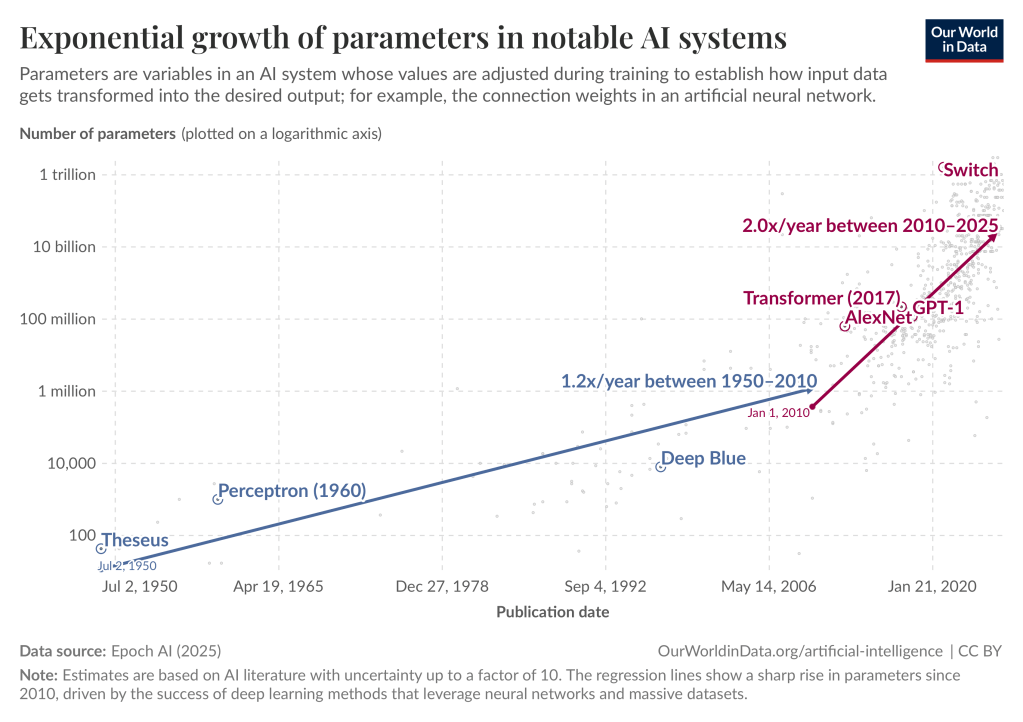
The introduction of ChatGPT in 2022 lead to the development of the now continuing AI hype involving the Large Language Models and other types of AI technologies on the path towards the Generalized Artificial Intelligence or “AGI” for short. This type of AGI is the pinnacle of artificial intelligence and is hypothesized to revolutionize almost…
-
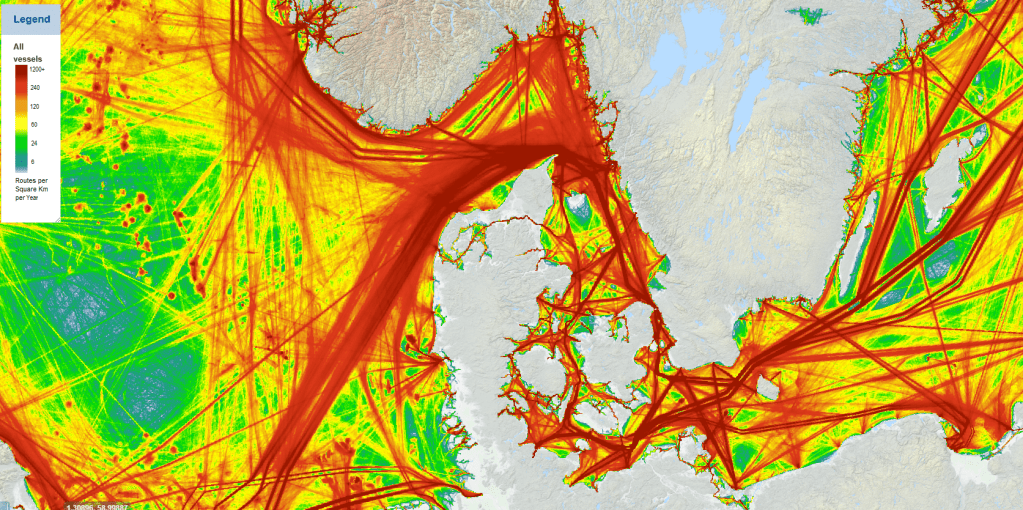
The blog explores the Danish seas as vital trading routes, highlighting issues like nutrient loading and its effects on water quality. Algae blooms and hypoxia challenge marine life, particularly cod population, crucial for Denmark’s fishery industry. Innovations in wastewater treatment aim to reduce pollution, while also fishing practices of certain types impact ecosystems.
-
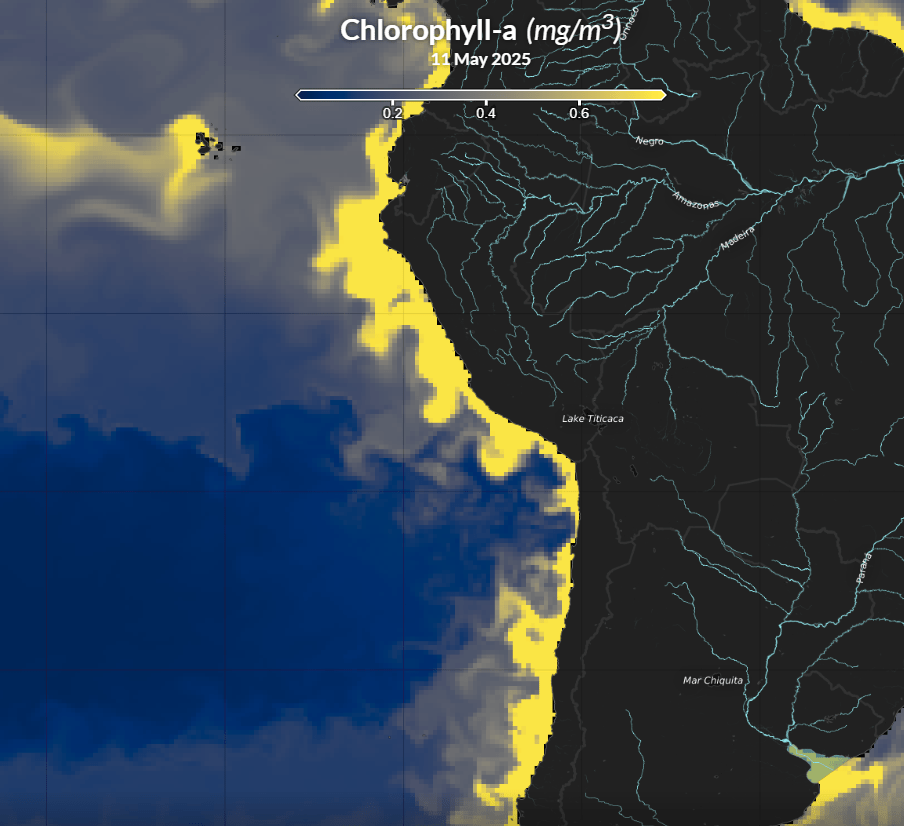
The Humboldt Current significantly influences marine ecosystems along the South American coast, fostering rich biodiversity through nutrient upwelling. It also inhibits cyclone formation and plays a role in global temperature regulation and carbon storage. The current faces potential changes due to climate change, risking marine life and ecosystem stability.
-
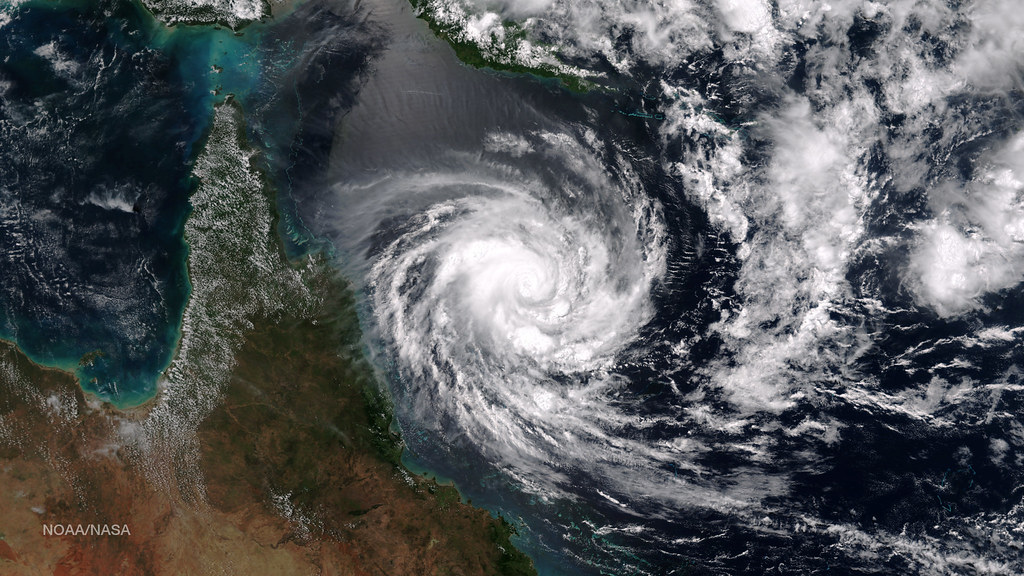
Tropical cyclone Alfred formed in late February 2025, becoming a category 4 storm that struck eastern Australia, causing approximately 1.2 billion AUD in damages. The cyclone led to severe coastal erosion at the Gold Coast, impacting beaches and prompting discussions on future disaster preparedness and mitigation strategies for similar events.
-
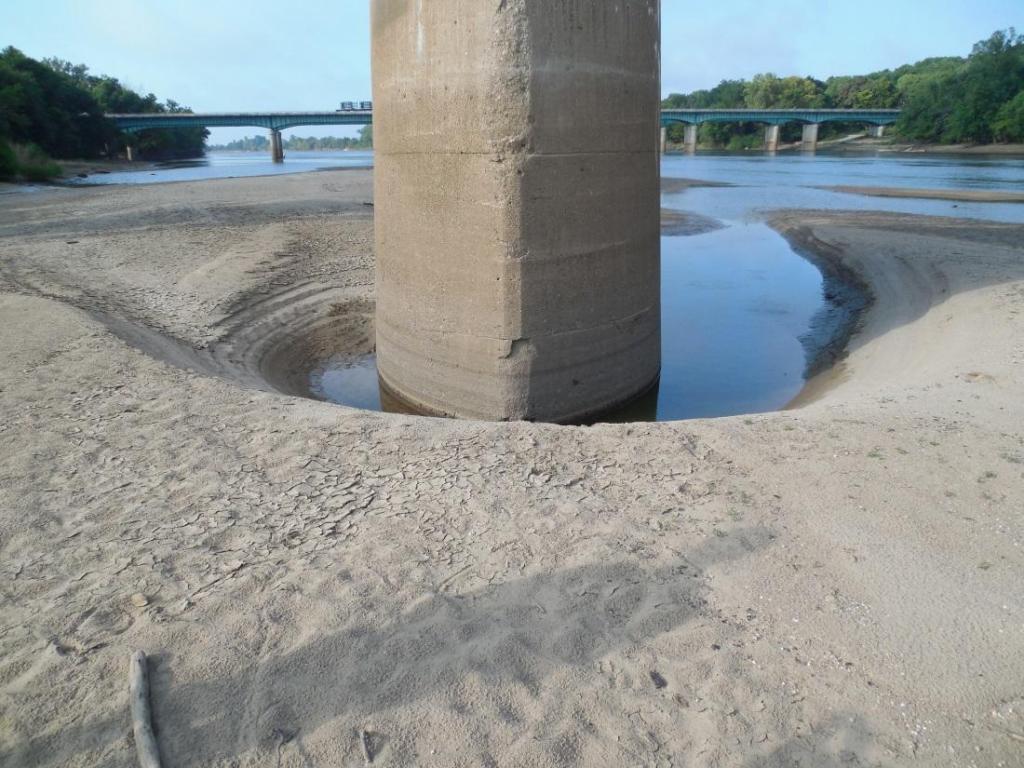
Scour is a critical issue in offshore engineering, involving the erosion and deposition of materials caused by fluid flow, particularly affecting granular substrates. Its complexities arise from interactions among varying particle sizes and flow dynamics. Engineers often rely on empirical models due to the chaotic nature of scour, which impacts structural integrity and project design.
-
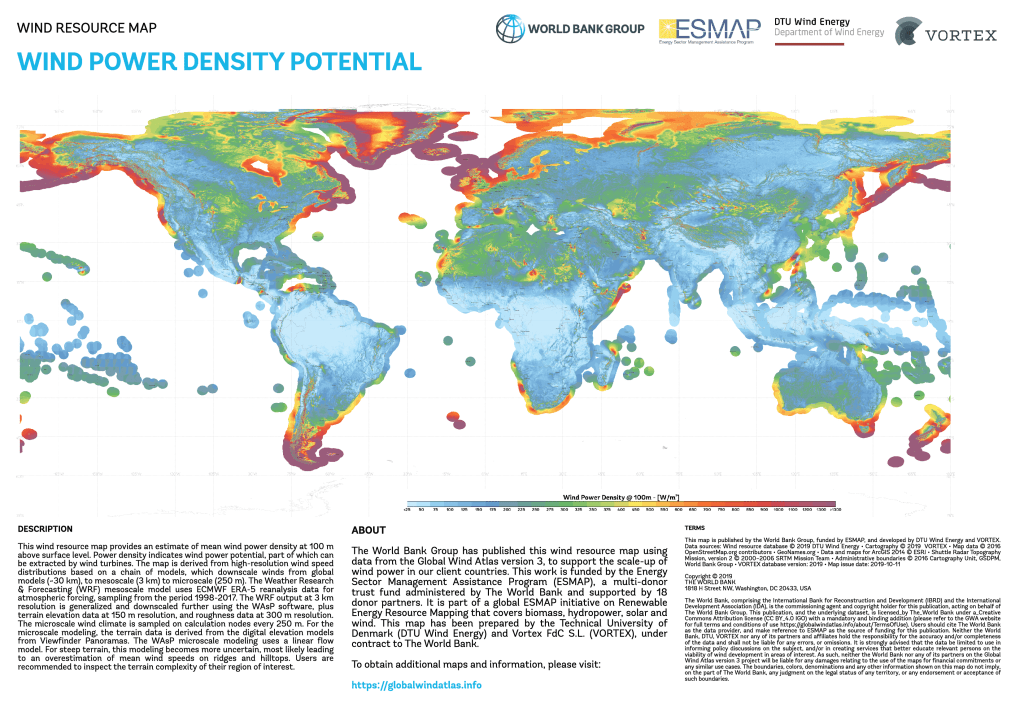
Recent advancements in floating offshore wind energy present significant opportunities and challenges for the industry. While these technologies allow for higher wind energy generation by placing turbines in deeper waters, issues with stability, installation, maintenance, and production-consumption imbalances complicate their deployment. Effective solutions, including energy storage innovations, are essential for success.
-
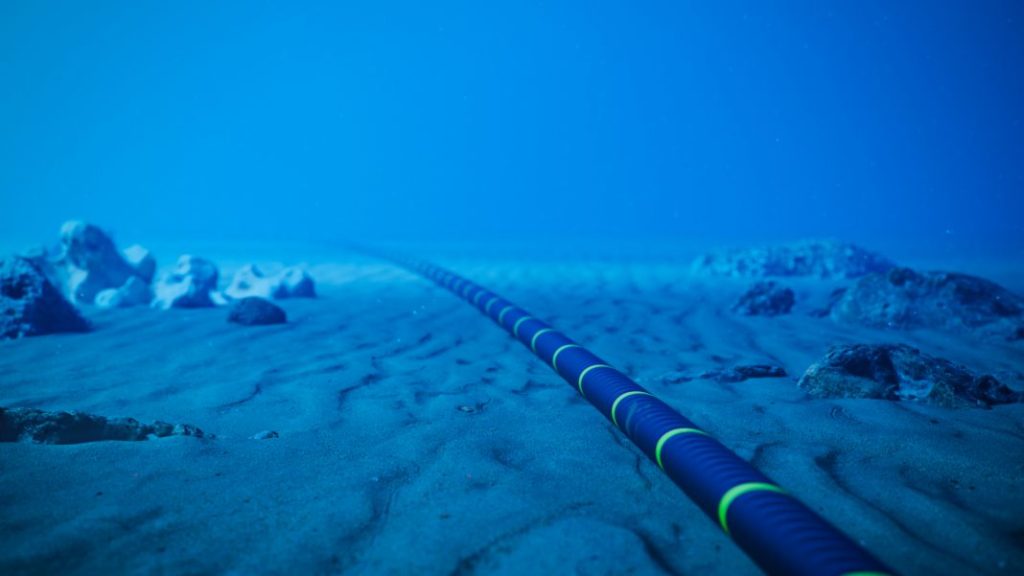
Offshore cables are crucial for transporting vital services, including high-speed internet and crude oil, across vast distances. Their interconnected design supports energy infrastructure, ensuring efficient communication and resource distribution. However, factors like fluid dynamics, erosion, and fatigue limit states pose challenges, necessitating effective scour protection methods for stability and integrity.
-
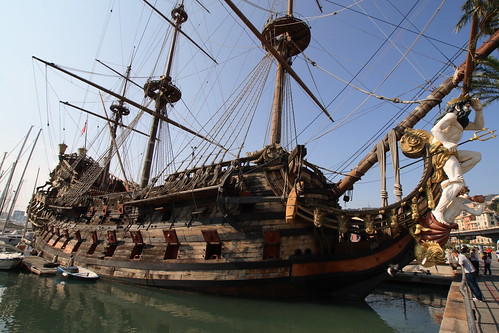
The wave climate significantly influences coastal city development due to their role in global trade via maritime transport. However, piracy risks persist, prompting solutions like insurance and naval deterrents. Modern piracy, stemming from socio-economic issues, challenges global supply chains, necessitating developmental strategies to address its root causes in affected regions.
-
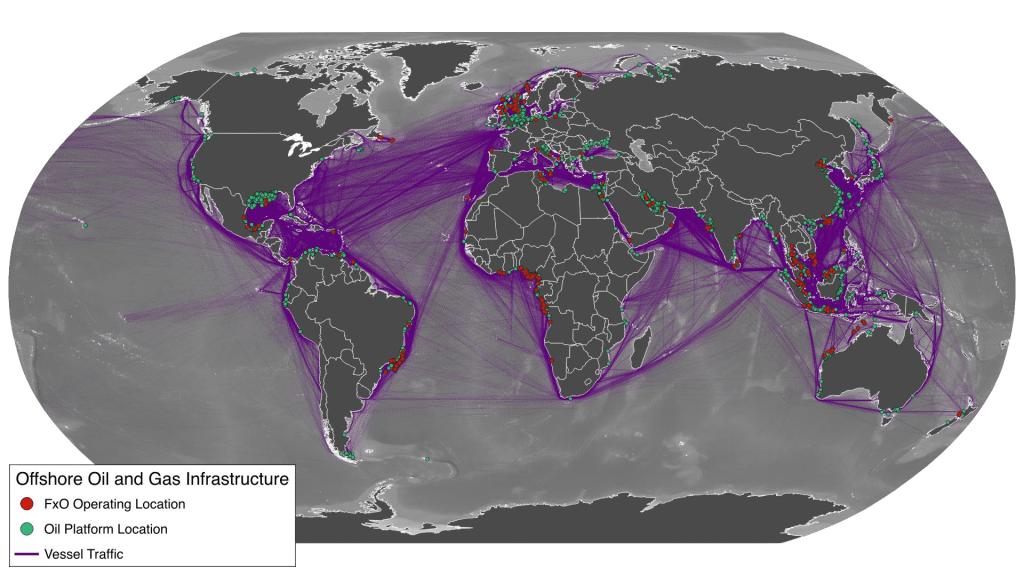
The offshore energy sector’s development raises significant environmental concerns, especially regarding marine mammals, noise pollution, and ecosystem disturbances. This includes impacts from oil and gas extraction, offshore wind farms, and bottom trawling. Ongoing research aims to mitigate these effects and improve understanding of their ecological consequences within the North Sea.
-
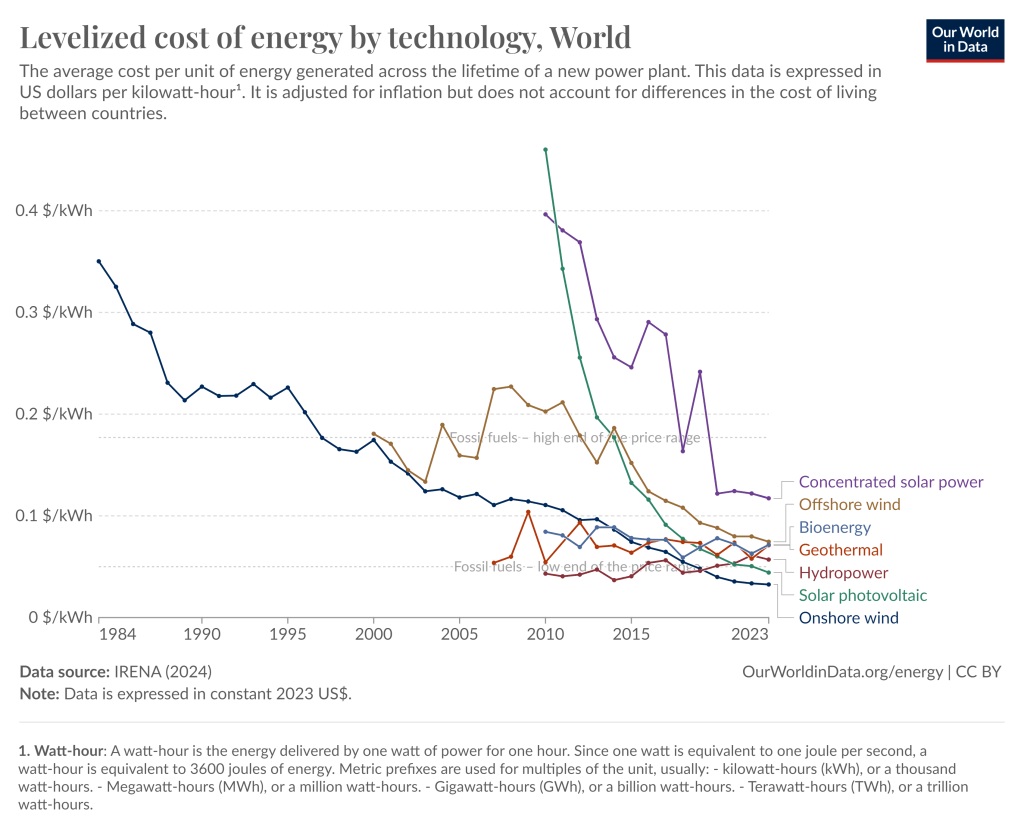
This blog post examines offshore engineering’s evolution as the energy sector shifts from oil and gas to renewables. It highlights challenges and innovations in offshore construction, environmental impacts on marine life, and the pressing need for new energy technologies. Climate change threats prompt urgent mitigation strategies to support future generations.
Latest posts
Hey!
My name is Joachim Skjærup Bach
And welcome to “The Skjærup blueprint”, an engineering blog where I write about natural phenomena, engineering marvels and techniques used in society around us.
Sign up to stay updated!
Stay updated with the latest posts by subscribing.
 The Skjærup blueprint