-
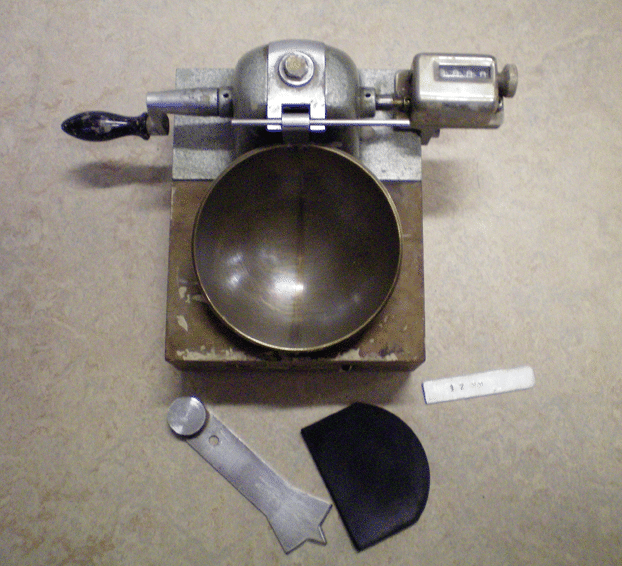
The Atterberg limits, introduced by Albert Atterberg in 1911, characterize soil behavior based on water content, establishing liquid and plastic limits. They are crucial for understanding soil behavior at various moisture levels and influence foundation settlement, bearing capacity, and friction properties. The Casagrande test further refines these limits for geotechnical engineering use, providing valuable insights…
-
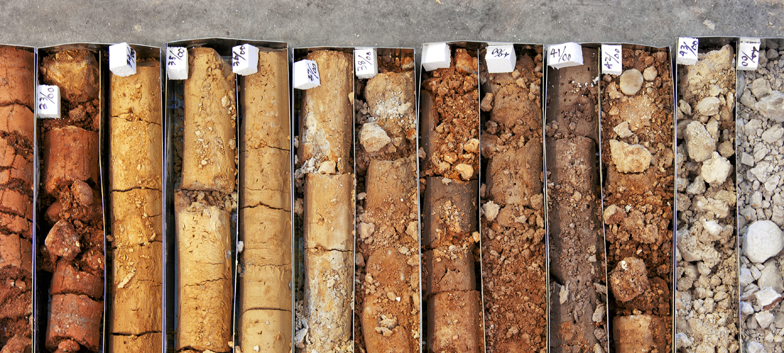
This blog post examines the Standard Penetration Test (SPT) and Cone Penetration Test, focusing on SPT’s historical development, methodology, and modern applications. It highlights the benefits of SPT, such as its cost-effectiveness and accessibility, while noting its limitations, especially concerning cohesive soils. Ongoing advancements aim to enhance soil characterization accuracy.
-
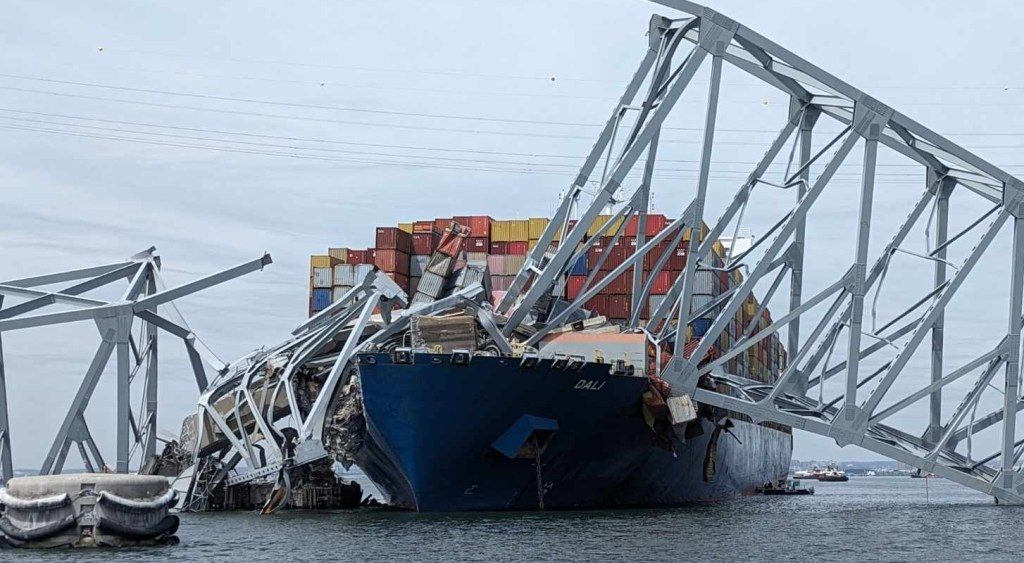
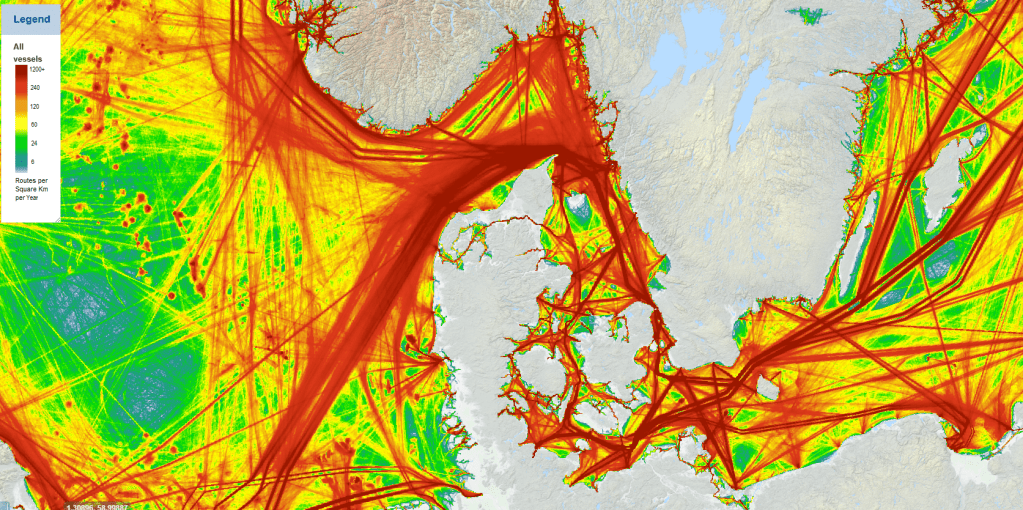
The blog post explores ship allison incidents, focusing on the recent Baltimore tragedy on March 26, 2024, where a container ship struck the Francis Scott Key Bridge, resulting in six fatalities. It discusses historical bridge design, increases in container ship sizes, related forces, safety measures, and the engineering challenges posed by evolving maritime conditions.
-
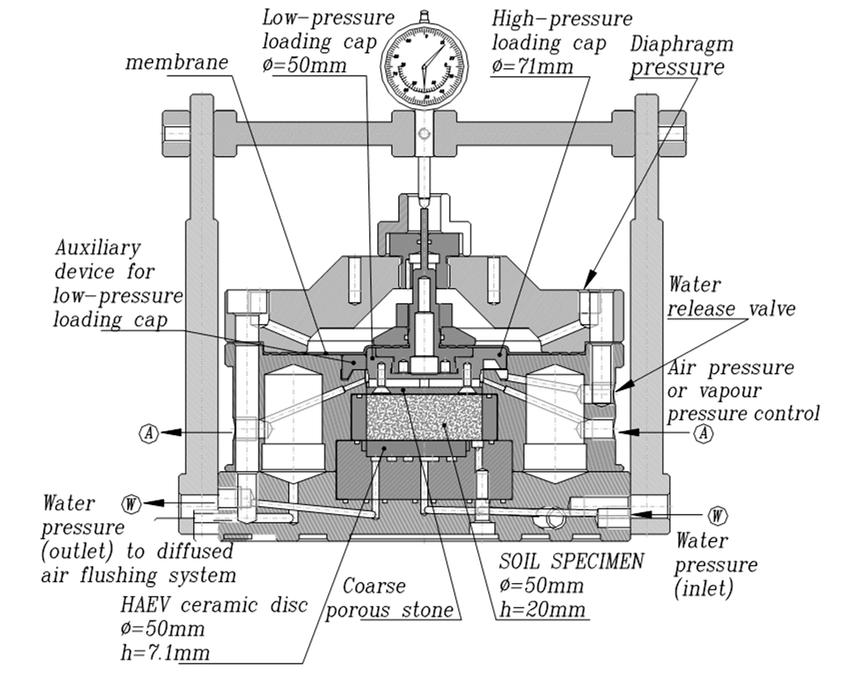
This blog post addresses the consolidation test, detailing its history, methodologies, and applications in geotechnical engineering. It discusses the oedometer’s role in understanding soil behavior under various pressures, effective stress theory, and the importance of testing for soil settlement and stability in construction projects. Key concepts include consolidation curves, creep behavior, and risk management in…
-

In this blogpost we uncover everything about triaxial tests. This includes differences between the generic three types of tests, the typical use cases of a triaxial test and general applicability\limitations revolving around triaxial testing. This is one of the most common testing methods but is still undergoing extensive research.
-

This blogpost concerns with the clay characteristics across the Danish underground. Examples are given and high resolution data sources from GEUS is used to try and elucidate the wide variety which the underground presents. The blogpost also concerns with how the different clays can be distinguished from one another and the most common type found…
-

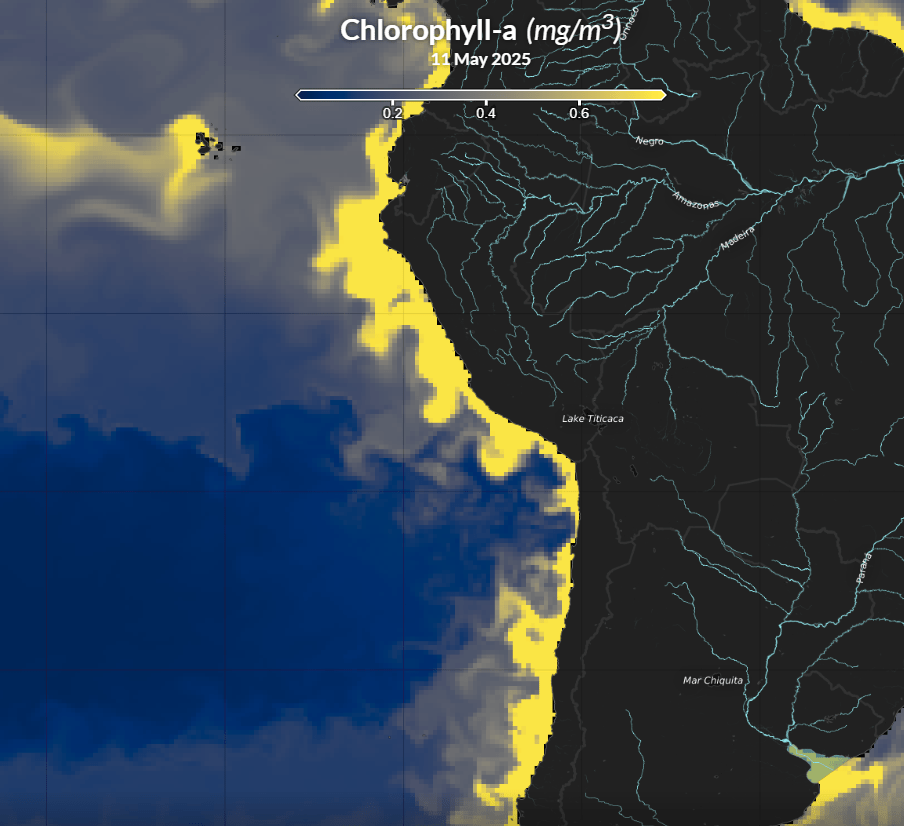
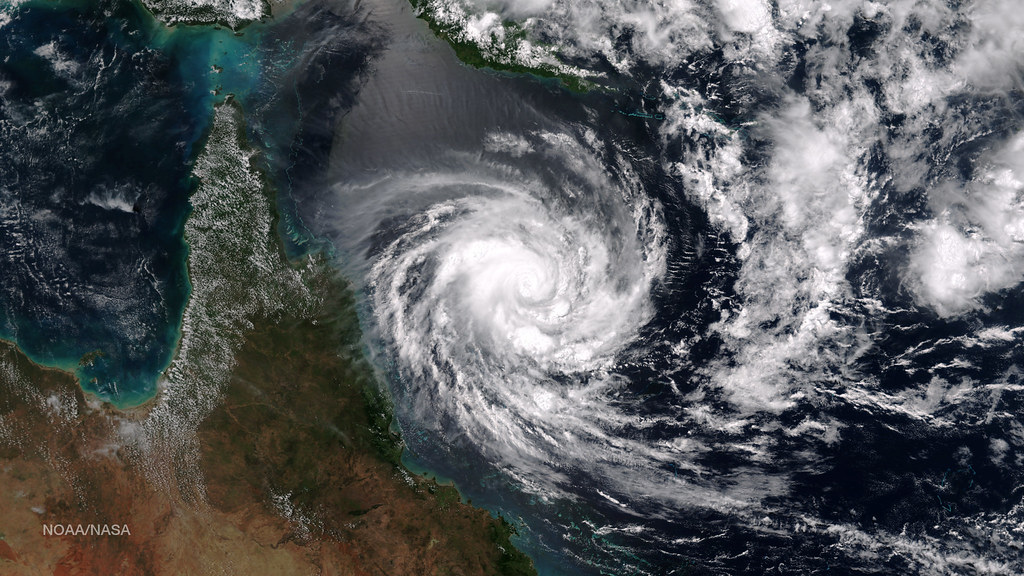
The post explores the impact of the Coriolis effect on atmospheric and ocean dynamics, focusing on the Gulf Stream and Kuroshio current. It discusses their influence on weather patterns and marine ecosystems. Additionally, it emphasizes the importance of phytoplankton as a foundation for marine animal life and the threat of climate change.
-
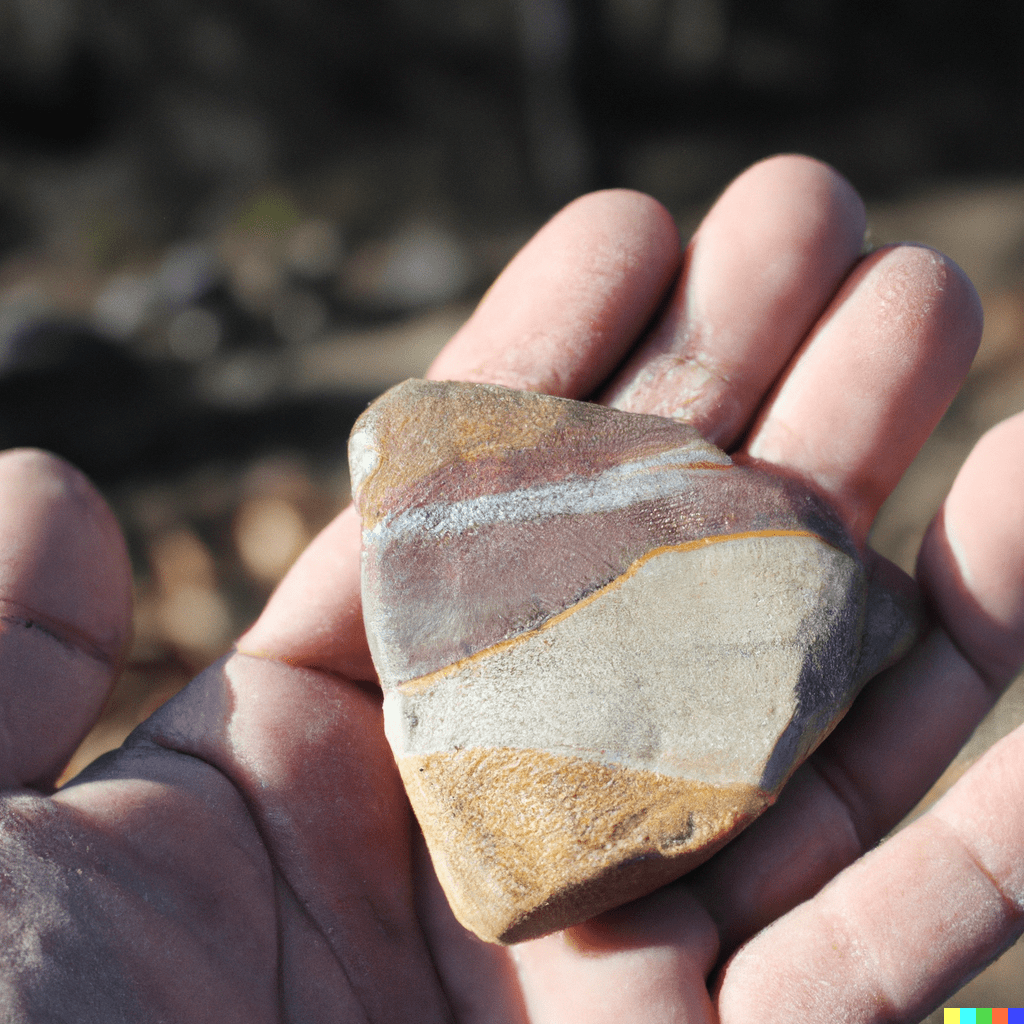
This blog post explores the interplay between clay formations and rock development. It discusses how weathered rock contributes to clay layers through sedimentation, compaction, and cementation, forming sedimentary rocks. Additionally, it highlights the significance of these processes in oil production, particularly in Nordic chalk reservoirs, and how climatic factors influence clay mineral composition.
-
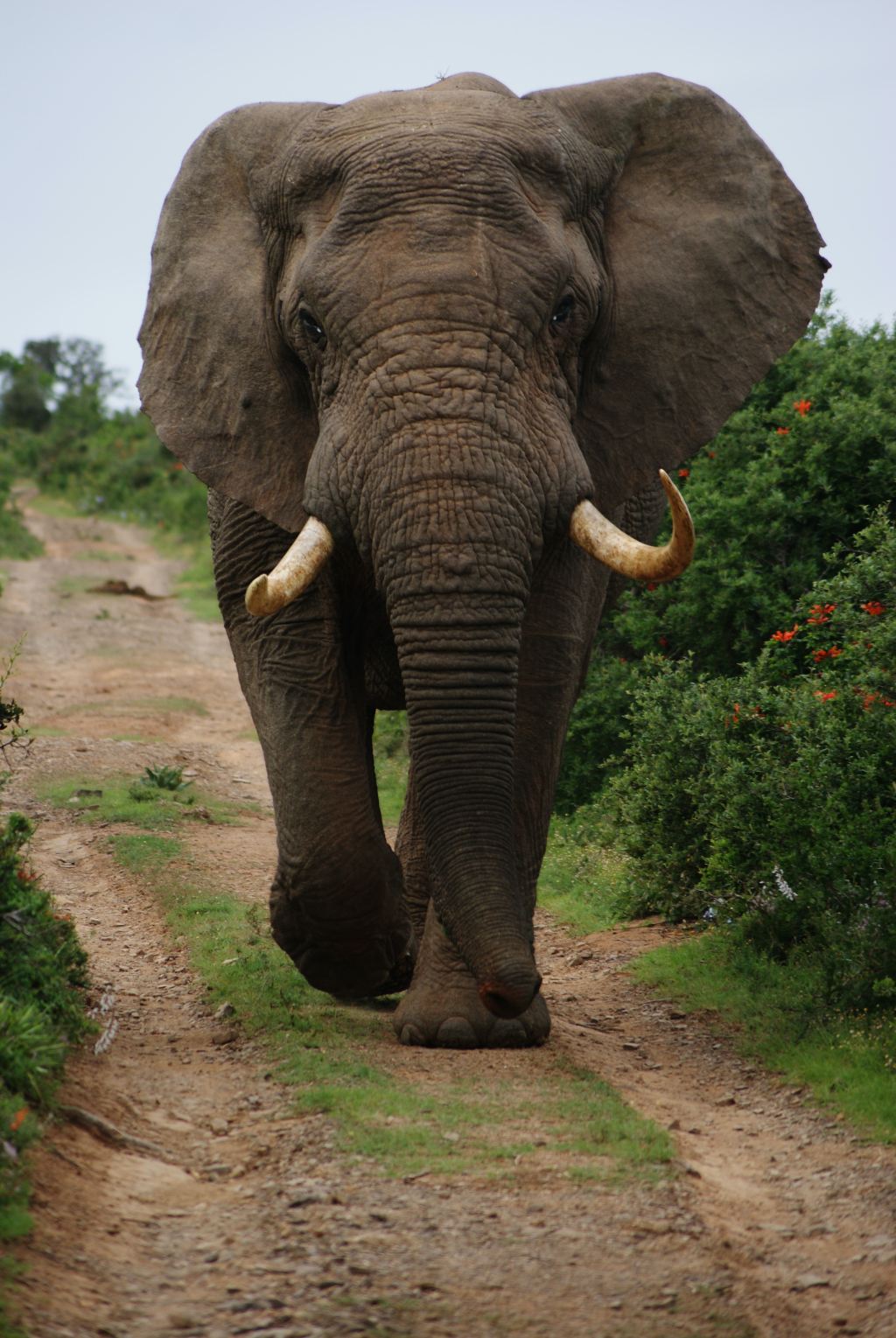
This blog post examines the strongest animals in the world across various categories, including mammals and insects. Highlights include the impressive strength of gorillas, elephants, and blue whales, contrasted against the remarkable lifting capabilities of ants and dung beetles. The dung beetle emerges as the strongest relative to body weight, lifting 1,000 times its weight.
-
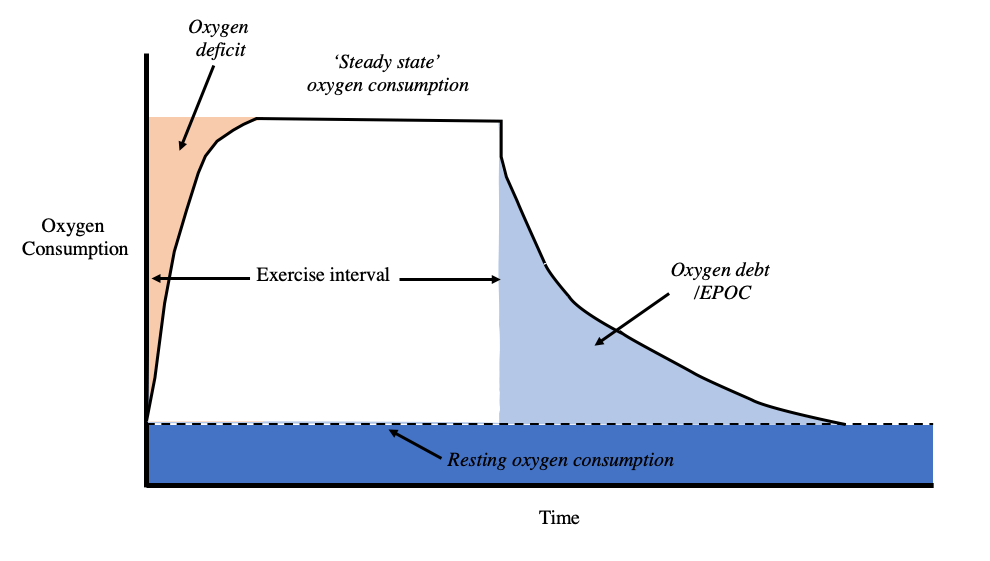
Regular hard exercise significantly benefits physical and mental health, lowering risks of mortality, cardiovascular diseases, and depression. It encompasses anaerobic and aerobic types, influencing calorie burning. Effective weight loss requires burning more calories than consumed, emphasizing portion control. Overall, exercise supports well-being and combats depressive symptoms while promoting a healthier lifestyle.
Latest posts
Hey!
My name is Joachim Skjærup Bach
And welcome to “The Skjærup blueprint”, an engineering blog where I write about natural phenomena, engineering marvels and techniques used in society around us.
Sign up to stay updated!
Stay updated with the latest posts by subscribing.